


AWMC INTEREST GROUPS
The process for women to transition from interest group members to full-fledged chapter members within the African Women Mobilization Commission (AWMC) is structured to ensure commitment and readiness.
Here are some potential steps or criteria that is part of this process:
1. Participation in Training Program: Members may need to complete specific training
sessions that align with the commission's values and mission.
2. Engagement in Initiatives: Active involvement in ongoing projects or initiatives could
be required to demonstrate commitment and teamwork.
3. Leadership Development: Potential members might be encouraged to take on
leadership roles within their interest groups to build skills and confidence.
4. Networking and Collaboration: Engaging with other groups or chapters to foster
relationships and share resources could be essential.
5. Contribution to Advocacy Efforts: Members might be expected to participate in
advocacy campaigns or fundraising activities that support the mission of the OMC.
6. Commitment to Inclusivity: Emphasizing the importance of inclusivity and respect for
diverse backgrounds could be a key criterion.
This structured approach not only builds a strong foundation for future leaders, but also ensures that all members align with the organization's goals.
CURRENT INTEREST GROUPS
(CLICK PICTURE TO ENLARGE)
.png)

.png)
.png)
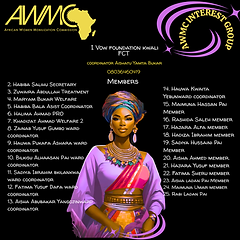.png)
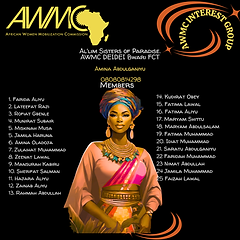.png)
Additionally, the interest group are encouraged to engage in one of a diverse range of initiatives tailored to the unique needs of each group. By focusing on areas like mobilization, advocacy, philanthropy, culture, or training, each interest group can create programs that resonate with their community.
For example:
-
Mobilization might involve grassroots campaigns to increase awareness about women's rights.
-
Advocacy could focus on policy changes that support women and children.
-
Philanthropy might lead to fundraising efforts for local shelters or health services.
-
Cultural initiatives could celebrate local heritage while promoting women's roles in the community.
-
Training programs might provide skills development, empowering women economically.
This flexibility can foster creativity and ensure that the initiatives are genuinely relevant to the communities they serve. How do you see these groups collaborating with one another?

